
Wisdom Tooth Removal: A Patient’s Complete Guide
What to expect before, during, and after wisdom tooth removal: a complete patient’s guide.
If your dentist has mentioned removing your wisdom teeth, you probably have questions. This guide walks you through what these teeth are, why they are sometimes removed, how the procedure works, and how to recover well.
Wisdom Teeth Ringwood: Comfort During Your Procedure
What are wisdom teeth?
Wisdom teeth, also called third molars, are the last adult teeth to come in. They usually appear between the ages of 17 and 25, at the very back of the mouth. Most people have four: two on top and two on the bottom. Some people have fewer, and some have none at all.
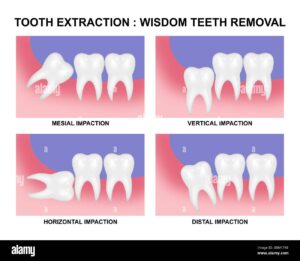
Our jaws are often too small to give these teeth enough room. When there is not enough space, a wisdom tooth may grow in at an angle, only partly break through the gum, or stay trapped beneath the gum or bone. A tooth that is trapped is called impacted.
Why might a wisdom tooth need to be removed?
Not every wisdom tooth needs to come out. A tooth that is healthy, fully emerged, and easy to clean can often stay. Removal is usually recommended when a tooth is causing problems or is likely to.
Common reasons include:
- Pain or swelling around the back of the jaw
- Infection of the gum around a partly erupted tooth (called pericoronitis)
- Tooth decay in the wisdom tooth or in the tooth next to it, because these back teeth are hard to brush and floss
- Gum disease around the back teeth
- Damage to nearby teeth, such as pressure or crowding from an angled wisdom tooth
- Cysts or other growths forming around an impacted tooth (uncommon, but serious)
- Orthodontic or other treatment plans where removing the teeth is part of the plan
Some dentists also recommend removing wisdom teeth early, before the roots are fully formed, because surgery can be easier and recovery quicker in younger patients. This decision depends on your situation, so it is worth discussing the pros and cons.
Signs you may have a problem with wisdom teeth
Contact your dentist if you notice:
- Pain, tenderness, or swelling at the back of your jaw
- Red, swollen, or bleeding gums near the back teeth
- A bad taste or bad breath that does not go away
- Difficulty opening your mouth fully
- Pain when chewing or biting
- Swollen glands in the neck
Sometimes there are no symptoms at all. Wisdom teeth can cause problems quietly, which is why regular dental X-rays are important.
Your consultation
Before surgery, your dentist or oral surgeon will review your health history, examine your mouth, and take X-rays. A panoramic X-ray shows the position of all your teeth. In more complex cases, a 3D scan (CBCT) may be used to see how close a tooth is to important structures such as the nerve that runs through the lower jaw.
This is a good time to ask questions. Be sure to tell your care team about:
- All medicines and supplements you take, including blood thinners
- Any allergies, especially to medicines or latex
- Medical conditions such as heart disease, diabetes, or bleeding disorders
- Whether you are or might be pregnant
- Any previous problems with anesthesia
Choosing your type of anesthesia
You will not feel pain during the procedure. There are several options, and the right one depends on how complex the surgery is, your health, and how comfortable you feel.
- Local anesthesia: Numbing medicine is injected near the tooth. You stay awake and may feel pressure, but not pain.
- Local anesthesia with sedation: You receive numbing medicine plus medicine to help you relax. Depending on the level, you may be drowsy and remember little of the procedure.
- General anesthesia: You are fully asleep. This is typically used for more complex cases or when a patient prefers it.
If you will have sedation or general anesthesia, you will usually be asked not to eat or drink for several hours beforehand. You will also need a responsible adult to take you home and stay with you for a while afterward.
What happens during the procedure of wisdom teeth removal
Wisdom tooth removal is usually done in the dental or surgeon’s office and often takes between 20 and 60 minutes, depending on how many teeth are removed and how difficult they are.
-
Numbing or sedation.
Your anesthesia is given and allowed to take effect. -
Access.
If the tooth is under the gum or bone, a small cut is made in the gum. Sometimes a little bone covering the tooth is removed. -
Removal.
The tooth may be taken out whole or divided into smaller pieces so it can be removed more gently. -
Cleaning.
The area is cleaned of any debris. -
Closing.
The gum is often closed with stitches. Many are dissolvable and fall out on their own within days to a couple of weeks. -
Gauze.
Gauze is placed over the area to help control bleeding and help a blood clot form.
That blood clot is important. It protects the healing socket, so you will want to leave it undisturbed.
Recovery: what to expect after wisdom teeth removal
Most people feel back to normal within about a week, though full healing of the gum and bone takes longer. Everyone heals differently, and the more complex the surgery, the longer recovery can take.
First 24 hours
- Some oozing of blood is normal. Bite gently on gauze as directed, and replace it when it becomes soaked.
- Rest, and keep your head elevated.
- Use a cold pack on your cheek, about 20 minutes on and 20 minutes off, to reduce swelling.
- Stick to cool or lukewarm liquids and very soft foods.
- Do not spit forcefully, rinse vigorously, or use a straw. Suction can dislodge the clot.
Days 2 to 3
- Swelling and soreness often peak around this time, then begin to improve.
- Starting the day after surgery, gently rinse with warm salt water (about half a teaspoon of salt in a glass of warm water), especially after meals, unless your surgeon tells you otherwise.
- Keep brushing your other teeth, and be gentle around the surgical area.
Days 4 to 7
- Pain and swelling should steadily decrease.
- Bruising, if you have it, may change color as it fades. This is normal.
- You can slowly return to a more normal diet as you feel able.
- Stiffness in the jaw may linger for a few days.
One to two weeks and beyond
- Stitches dissolve or are removed if needed.
- The gum continues to close over, and the bone fills in over the following weeks to months.
Managing pain and swelling
Your dentist or surgeon will tell you which pain medicines to use and how to take them. Many patients manage well with over-the-counter pain relievers, while others are given a prescription. Always follow the instructions you are given, and never take more than directed. If you were prescribed antibiotics, finish the full course.
Cold packs help most in the first day or two. After that, some people find gentle warmth against the cheek soothing, but check with your care team first.
What to eat
Good choices in the first few days:
- Yogurt, smoothies (with a spoon, not a straw), applesauce, and pudding
- Mashed potatoes, soft scrambled eggs, and oatmeal
- Lukewarm soups and broths
- Soft pasta, well-cooked rice, and cottage cheese
Avoid for the first week or until your surgeon says otherwise:
- Hot foods and drinks, especially right after surgery
- Crunchy, chewy, or sharp foods such as chips, nuts, and popcorn
- Spicy or very acidic foods that can irritate the area
- Alcohol, which can interfere with healing and with some medicines
Stay well hydrated, and try to keep eating, as nourishment supports healing.
Activity, smoking, and daily life
- Rest for the first day or two and avoid strenuous exercise for several days, as increased blood pressure can restart bleeding.
- Do not smoke or vape for as long as you can, ideally the entire healing period. Smoking significantly raises the risk of poor healing and dry socket.
- Most people return to work or school in two to four days, depending on their job and how they feel.
Possible risks and complications of wisdom teeth removal
Wisdom tooth removal is a common and generally safe procedure, but like any surgery it carries some risks.
Dry socket (alveolar osteitis) happens when the blood clot is lost or does not form properly leaving the bone exposed and is the most common complication affecting a small percentage of patients (it is more likely after lower tooth removal, in smokers, and when the clot is disturbed). Typically, it causes a throbbing pain that starts a few days after surgery and gets worse instead of better, sometimes with a bad taste or odor and is very treatable: your dentist can clean the socket and place a medicated dressing for relief.
Infection. Signs include increasing pain or swelling after the first few days, fever, pus, or a bad taste. Infections are treated, often with antibiotics.
Prolonged bleeding. Some oozing is expected. Bleeding that soaks through gauze steadily despite firm pressure needs attention.
Nerve irritation. The lower wisdom teeth sit near nerves that supply feeling to the lip, chin, and tongue. Temporary numbness or tingling can occur and usually resolves over weeks to months. Permanent changes are uncommon. Your surgeon will discuss your individual risk, especially if your tooth is close to the nerve on your X-ray.
Sinus issues. Upper wisdom teeth sit close to the sinuses. In rare cases, an opening can form between the mouth and sinus. Tell your surgeon if you notice liquid coming into your nose when you drink.
Damage to nearby teeth or fillings, or jaw stiffness. These are uncommon and your surgeon takes steps to avoid them.
When to call your dentist or surgeon
Contact your care team promptly if you have:
- Pain that is getting worse after day 3 or 4, or is not controlled by your medicine
- Fever or chills
- Swelling that keeps increasing after 3 days
- Bleeding that will not stop with firm pressure
- Pus, or a persistent bad taste or smell
- Numbness that is not improving
- Allergic reactions such as a rash or itching after taking a new medicine
Go to the emergency department or call emergency services if you have trouble breathing, difficulty swallowing, rapidly spreading swelling of the face or neck, or severe bleeding.
Do you really need to remove wisdom teeth?
This is a fair question. Opinions differ about removing wisdom teeth that cause no symptoms. In general:
- Removal is advised when there is disease, repeated infection, decay, or damage to nearby teeth.
- Monitoring may be reasonable when teeth are healthy, fully erupted, and cleanable. These need regular checkups and X-rays to catch problems early.
If you are unsure, ask your dentist what they see on your X-ray, what could happen if you wait, and whether a second opinion would help.
Contact Us Zest Dental Ringwood for Appointments
Questions to ask your dentist or surgeon
- Why do you recommend removing my wisdom teeth, and what happens if I wait?
- How difficult do my teeth look on the X-ray?
- Which type of anesthesia do you recommend, and why?
- What are the risks in my particular case?
- How long should I expect to be out of work or school?
- What will it cost, and what does my insurance cover?
- Who do I call if I have a problem after hours?
Key takeaways
- Wisdom teeth are removed when they cause problems or are likely to, not automatically.
- The procedure is common, you will be comfortable during it, and most people recover in about a week.
- Protect the blood clot: no straws, no smoking, no forceful spitting.
- Follow your care team’s instructions on medicines, rinsing, and diet.
- Call if pain worsens after the first few days, or if you see signs of infection or heavy bleeding.
- This article is for general education and does not replace personal medical or dental advice. Always follow the instructions given by your own dentist or oral surgeon.